



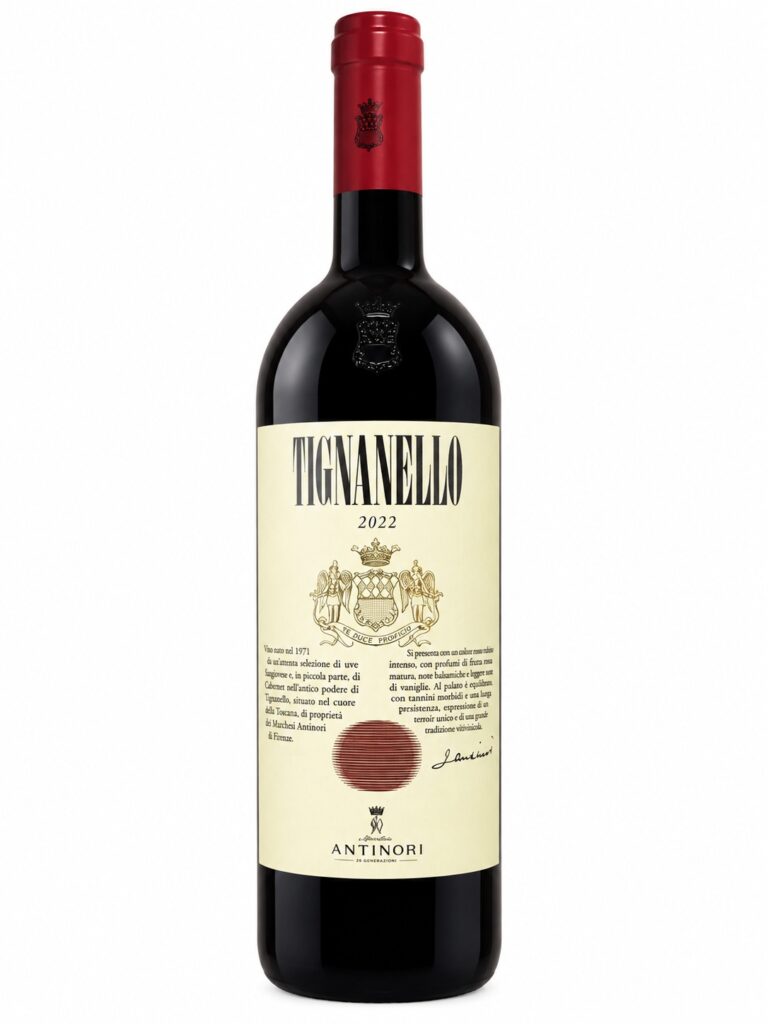
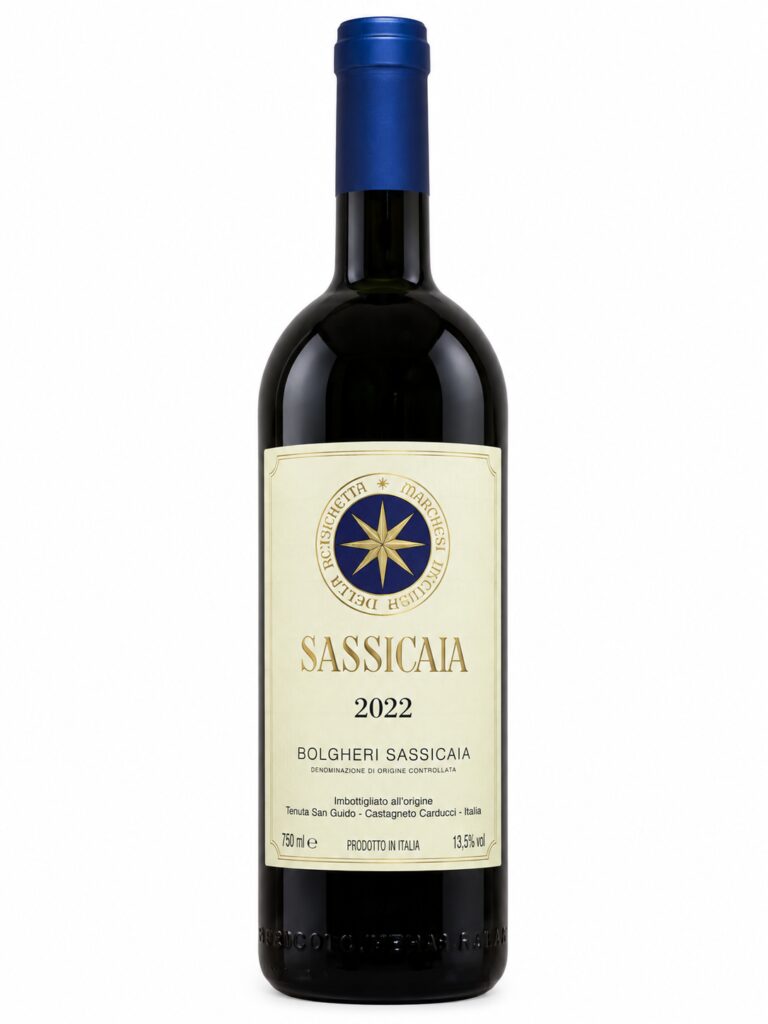
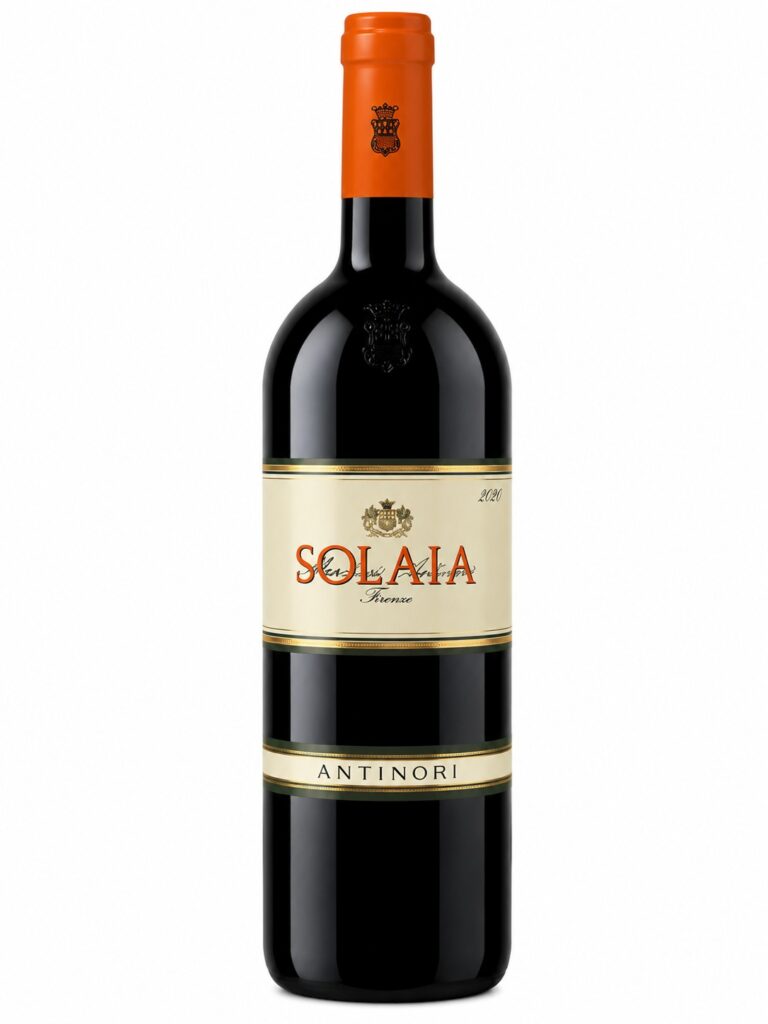
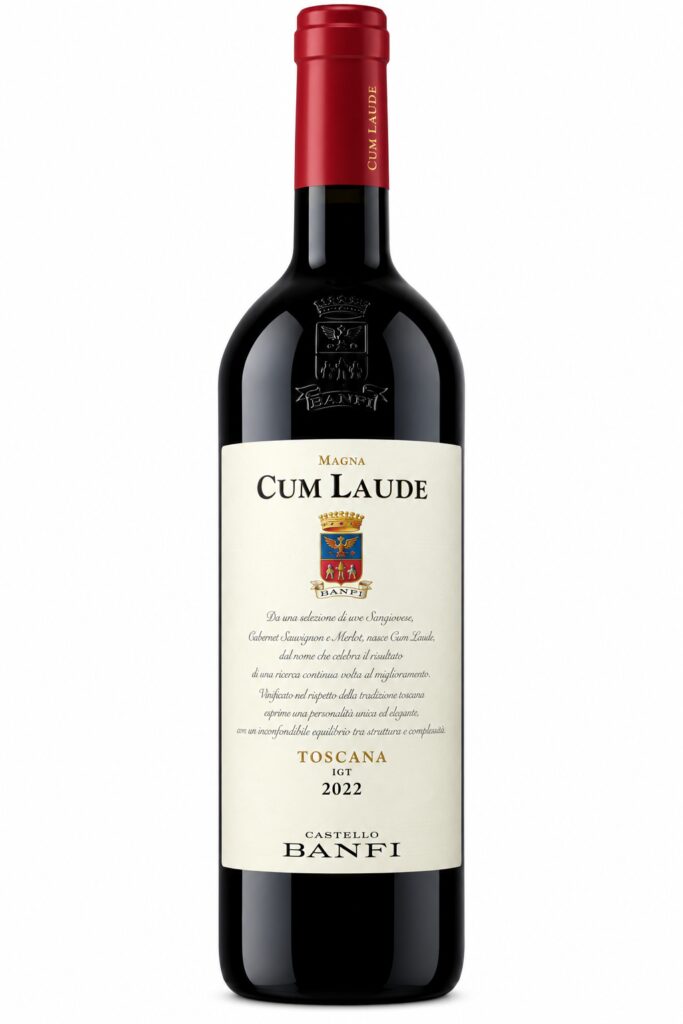
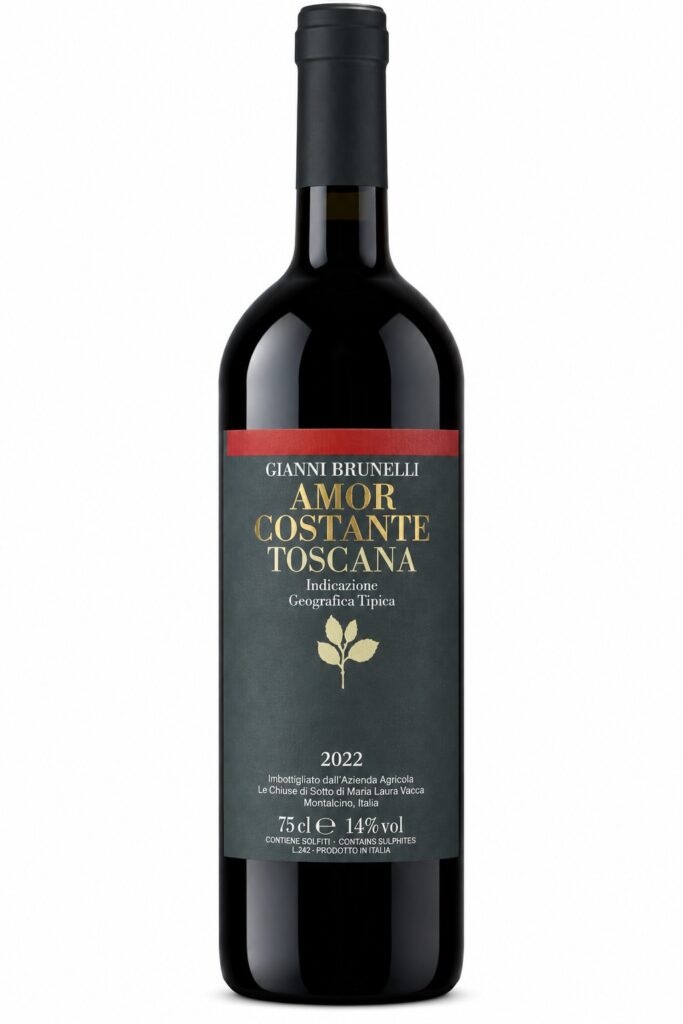
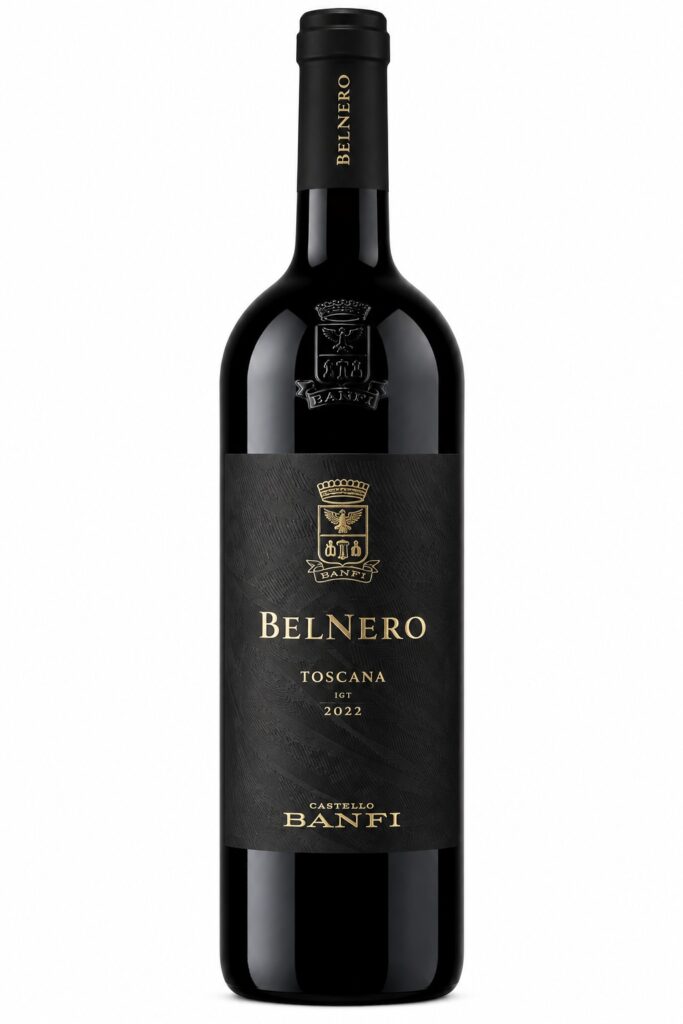
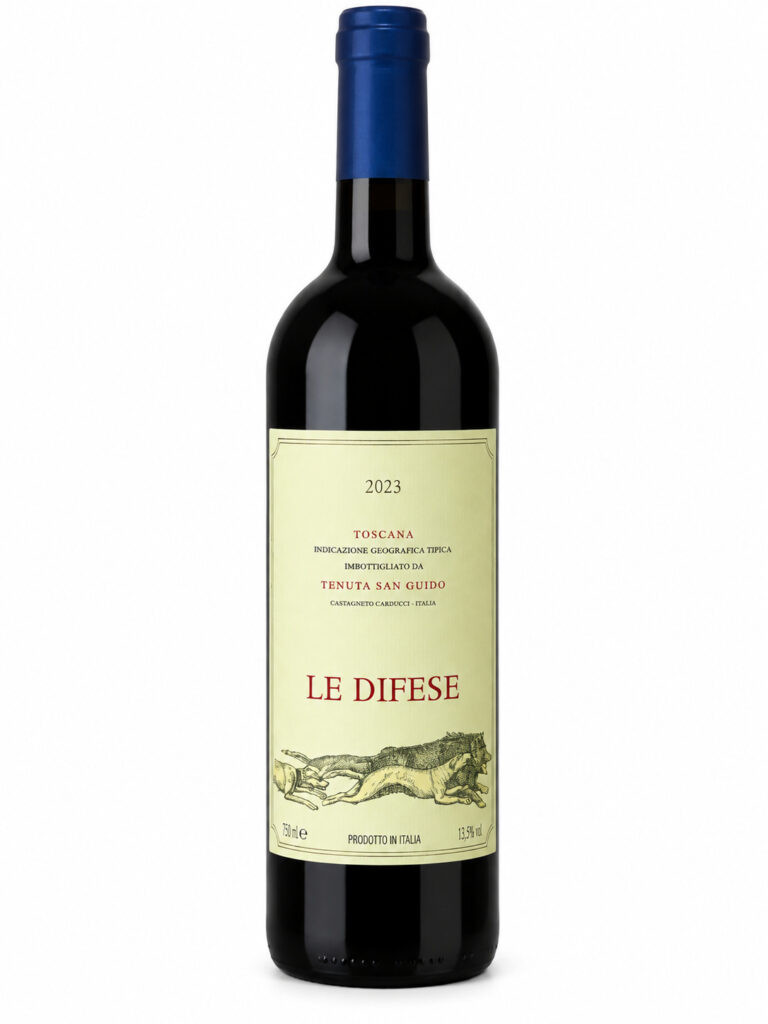
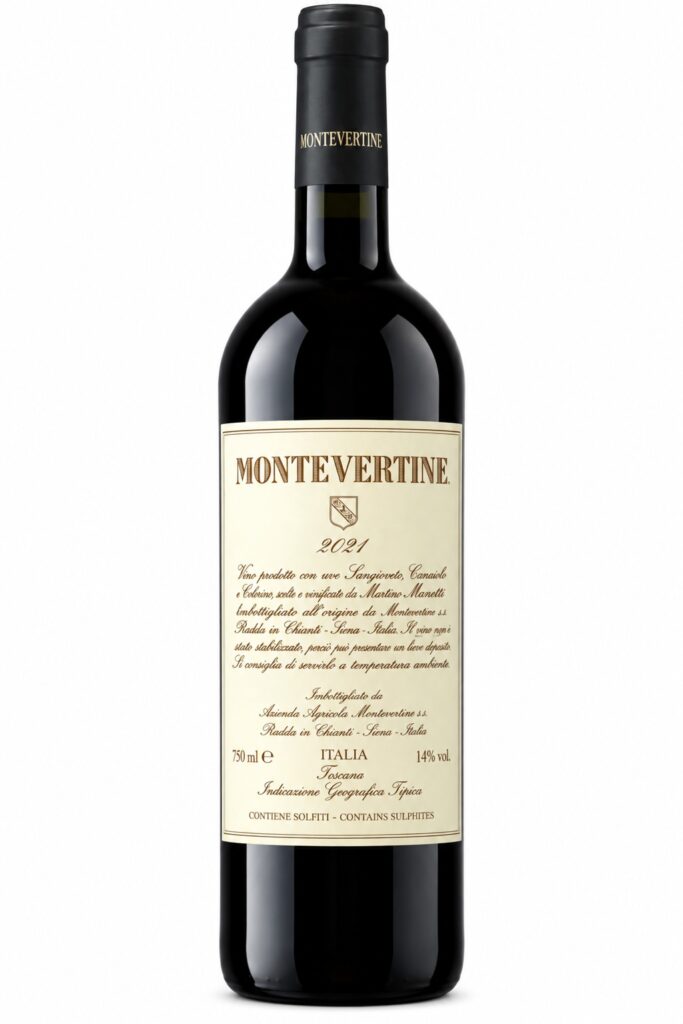
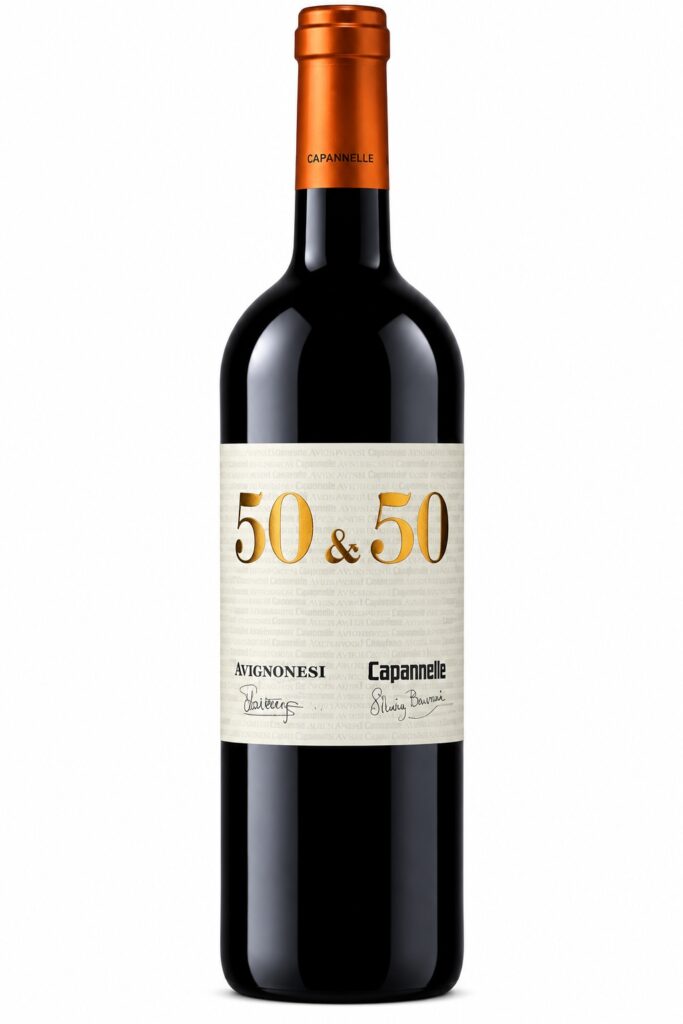
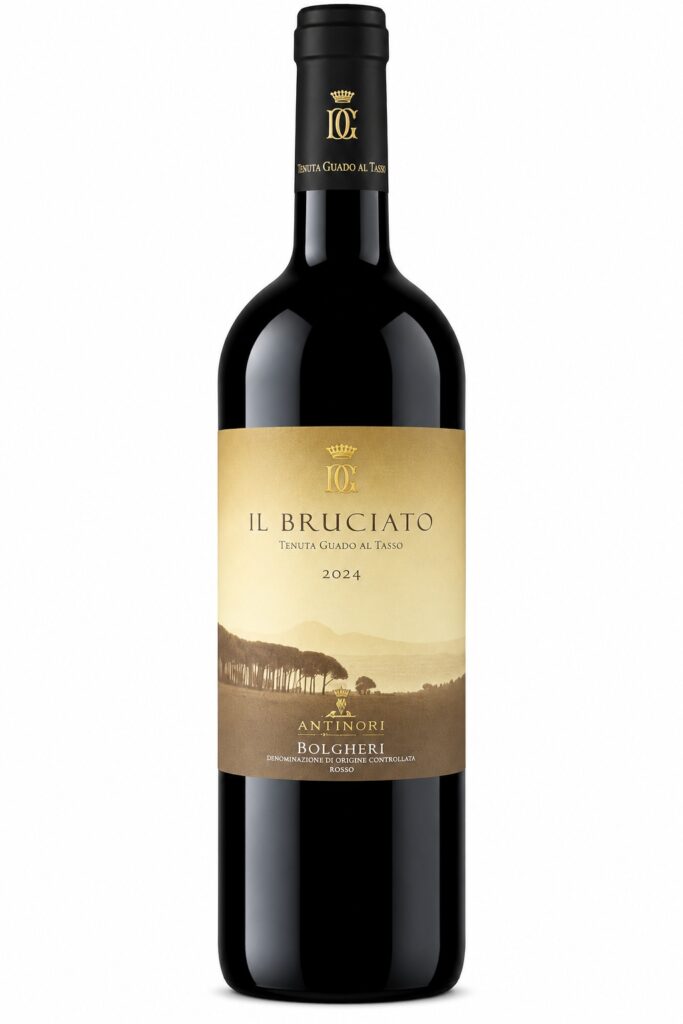
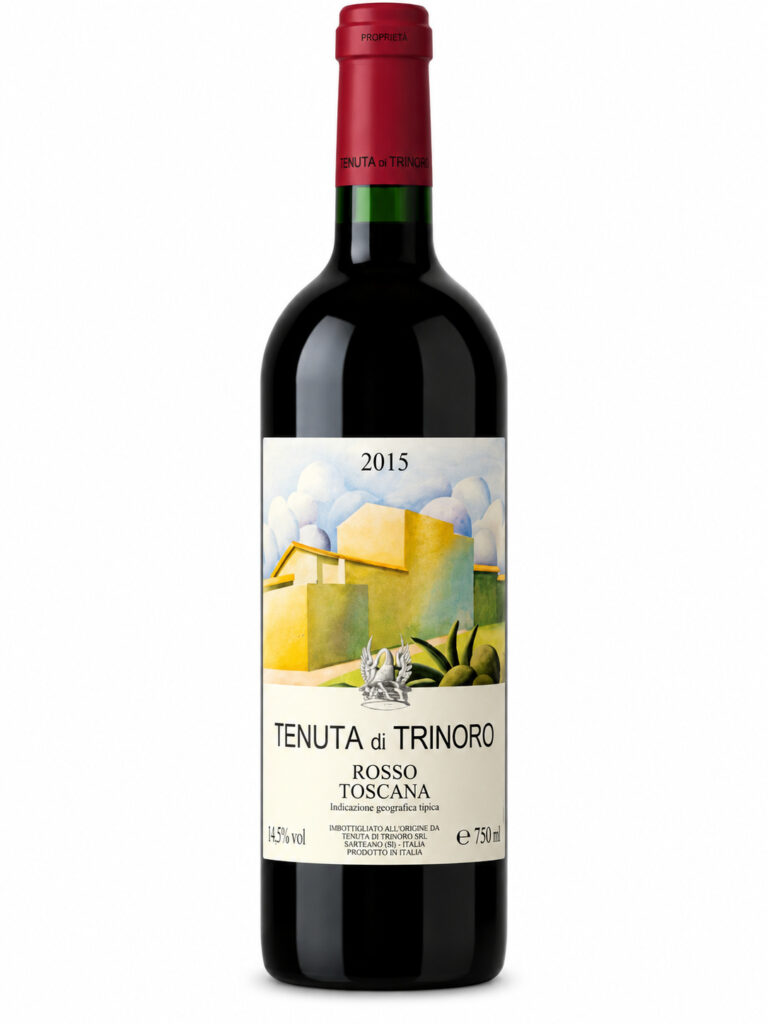
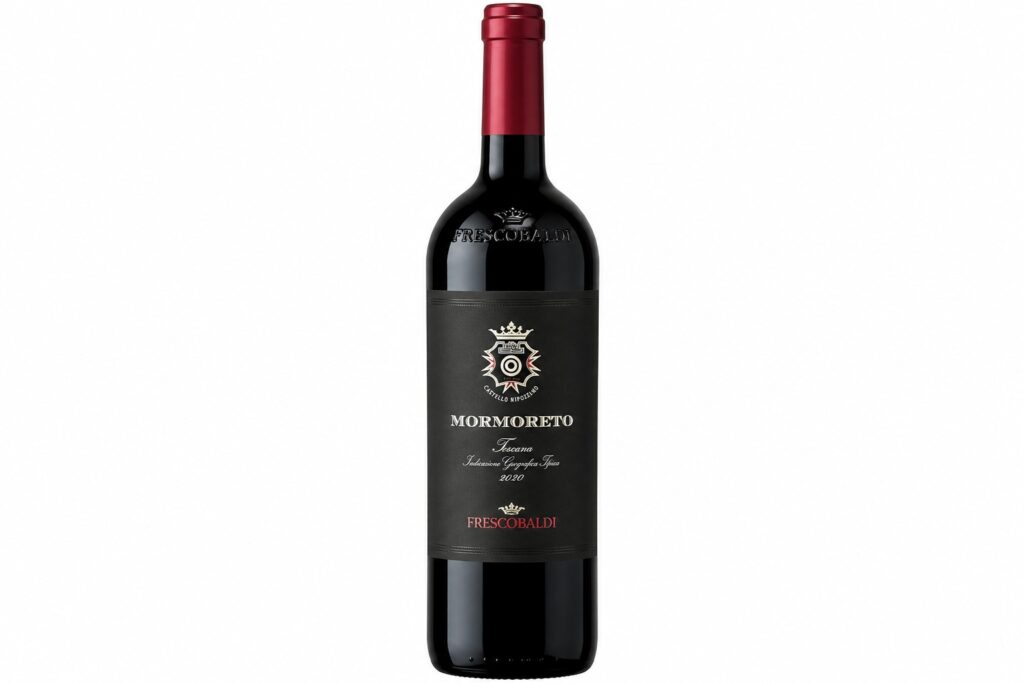
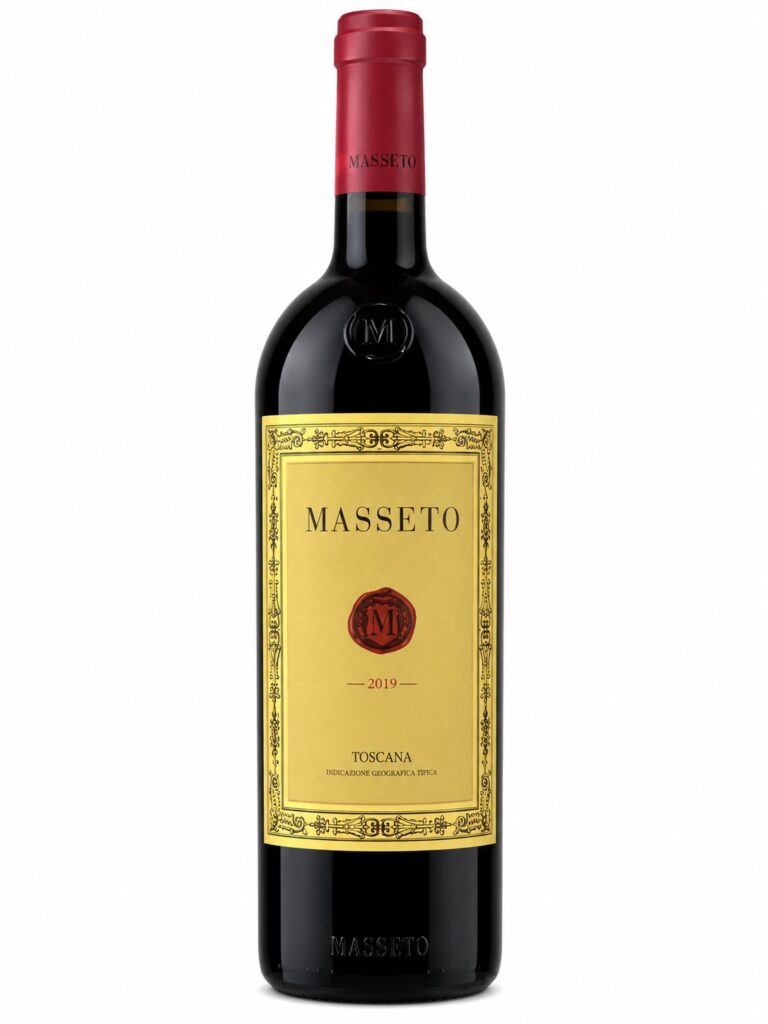
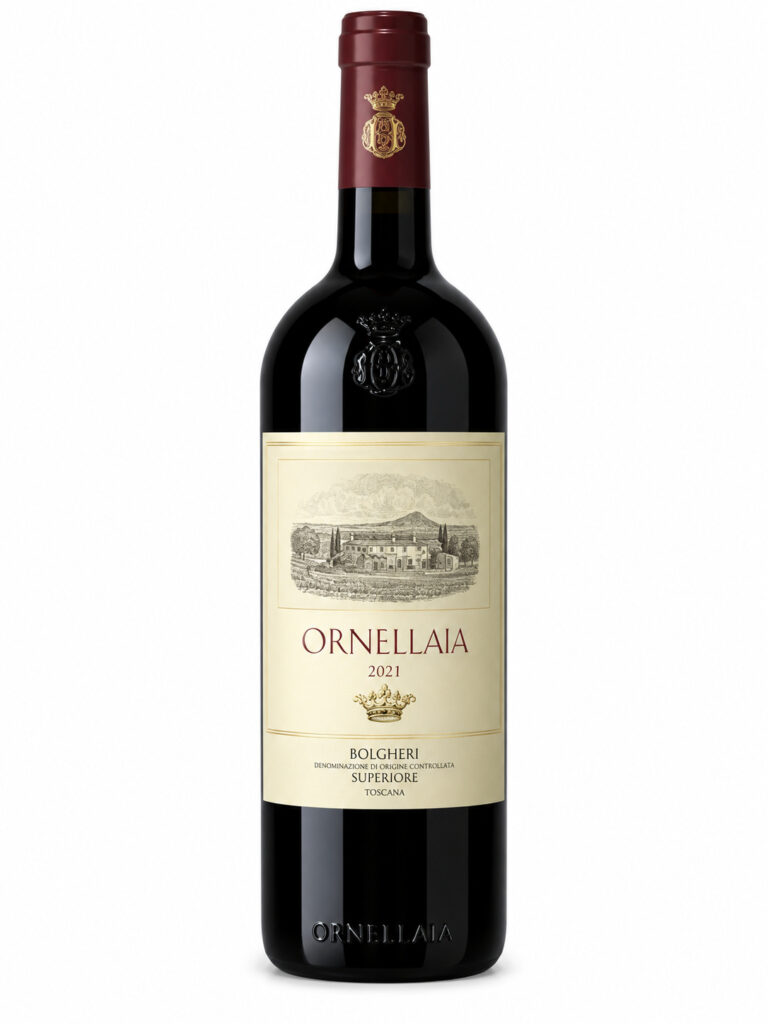
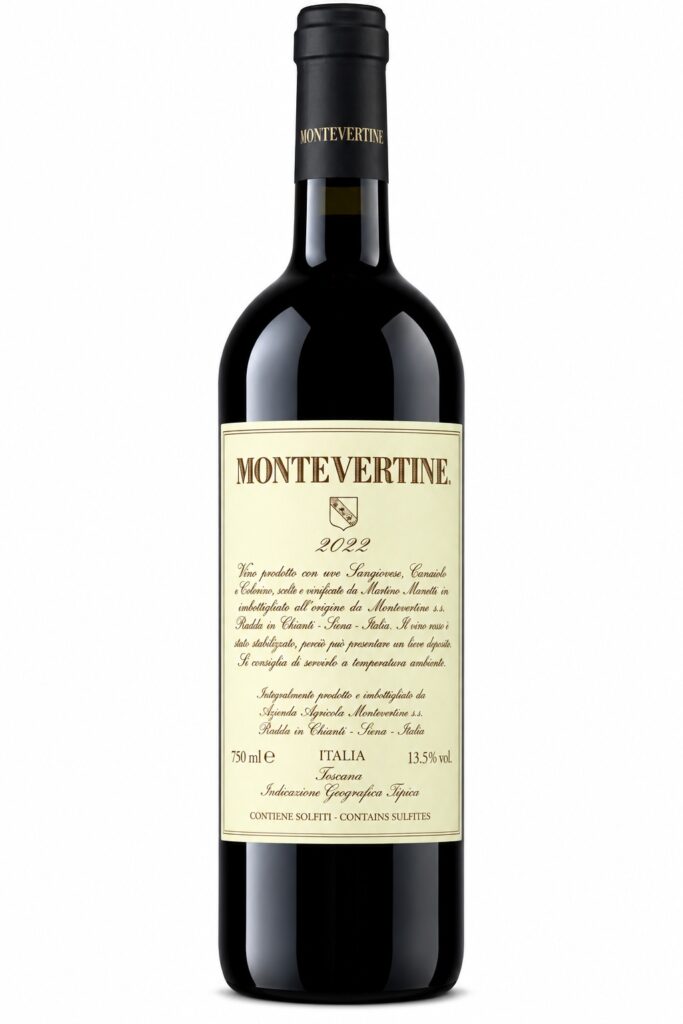
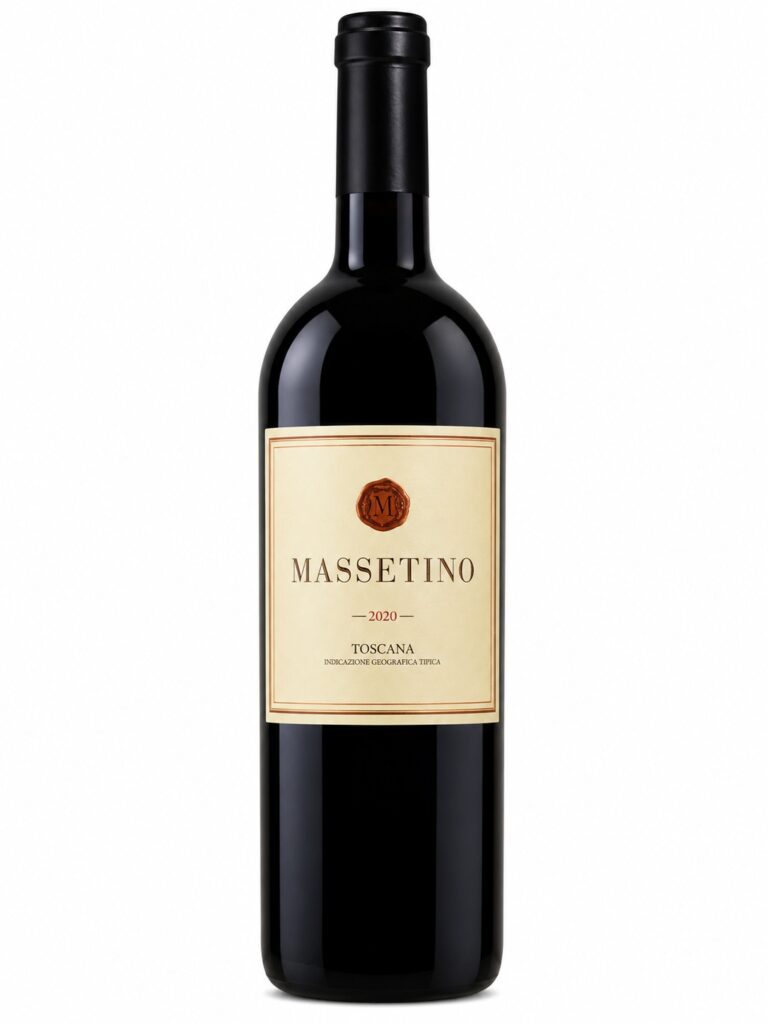
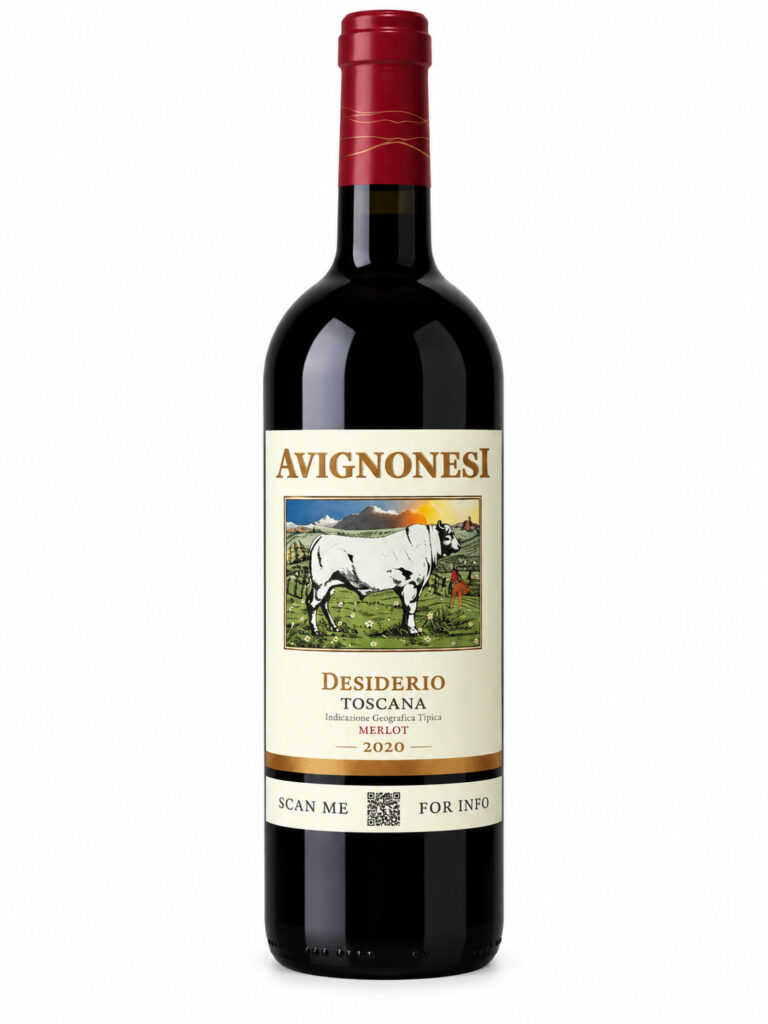
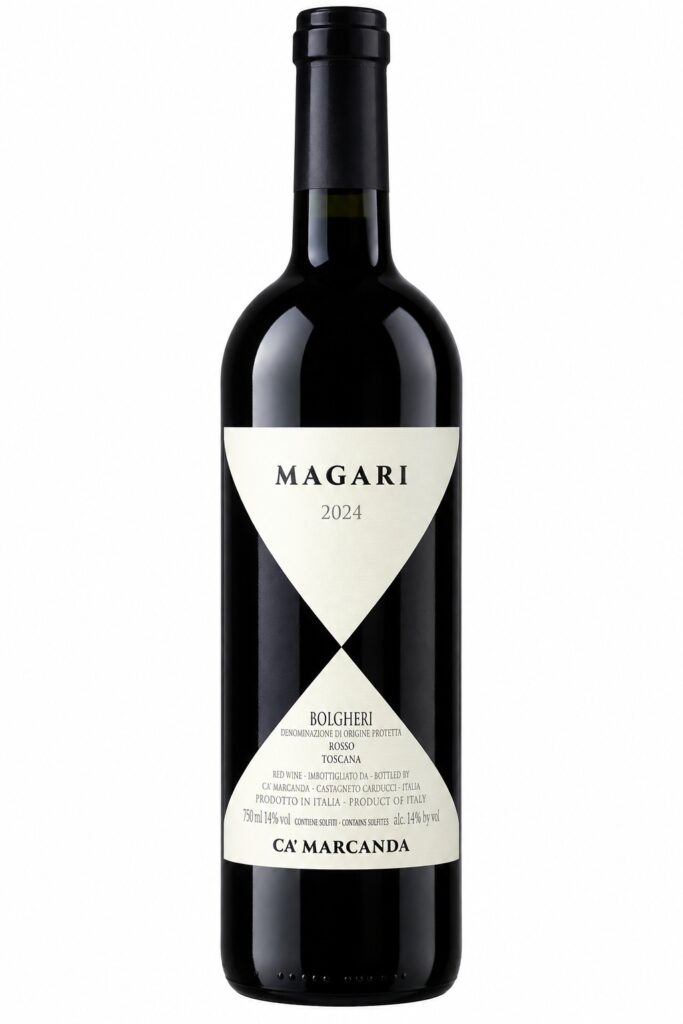
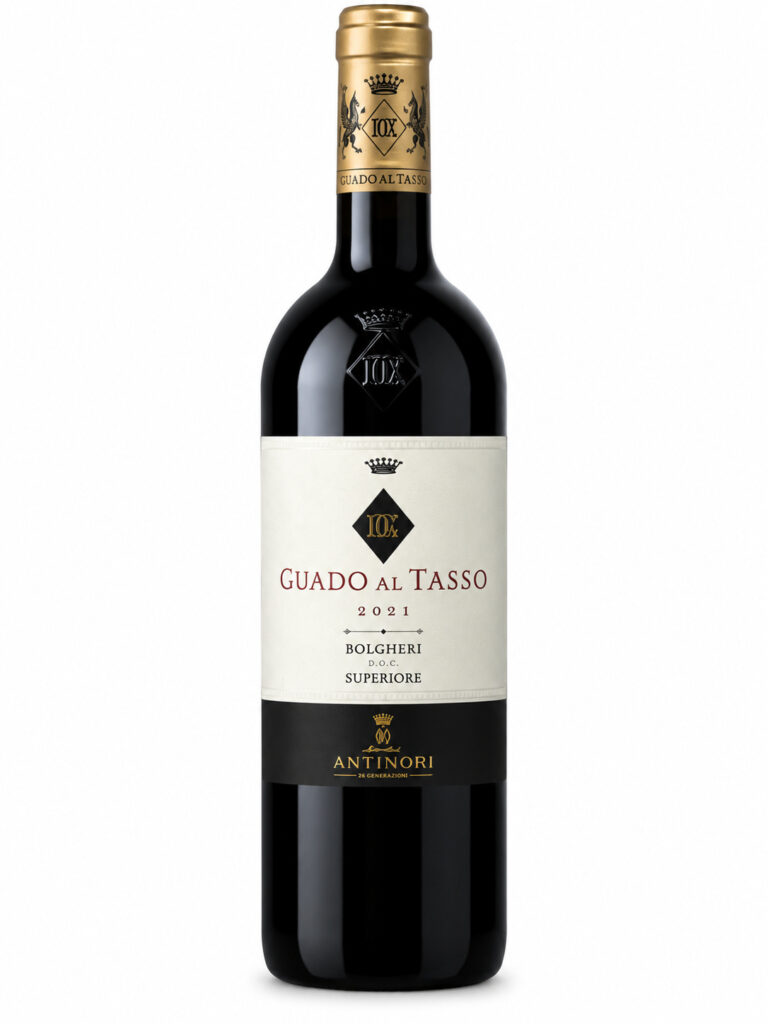
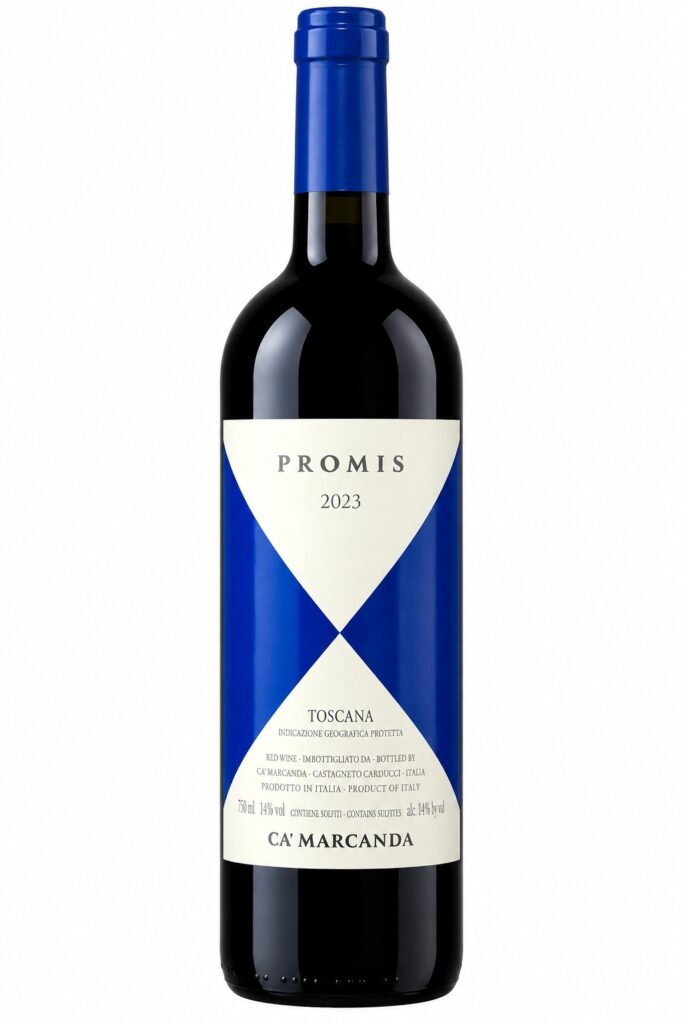
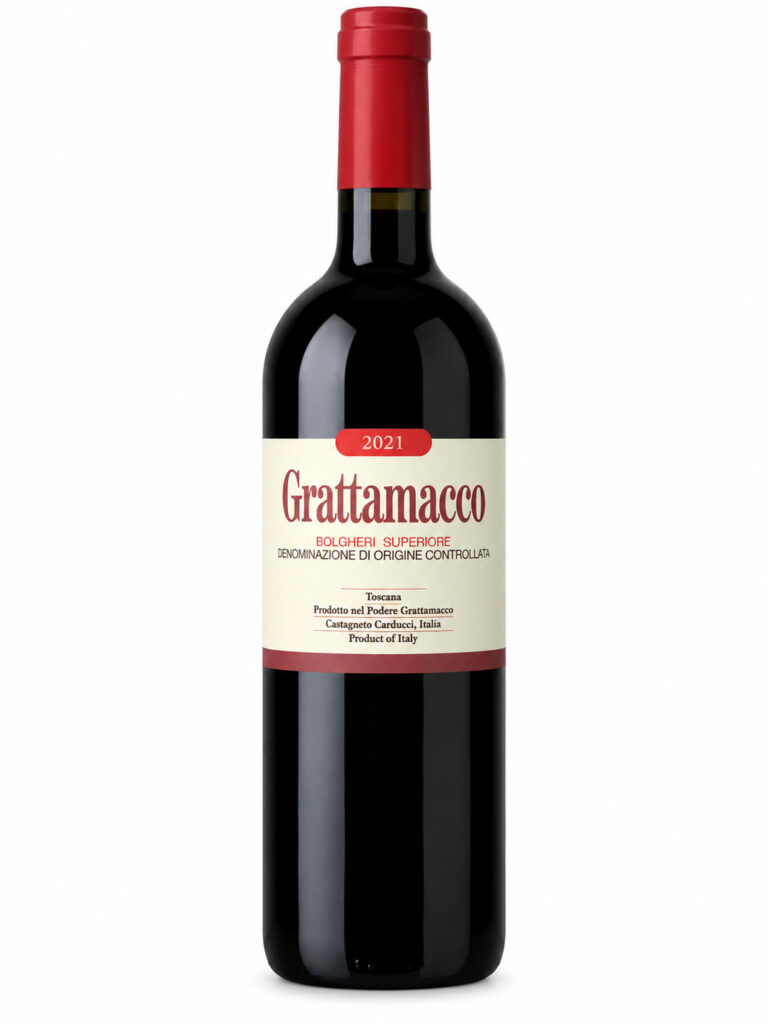
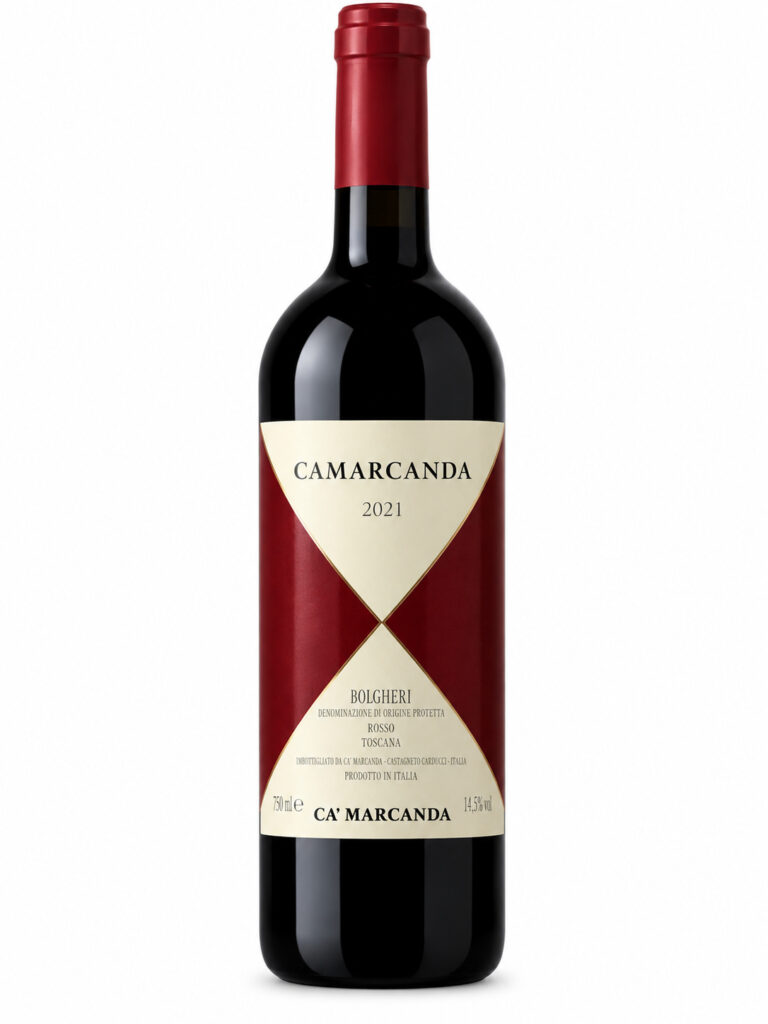
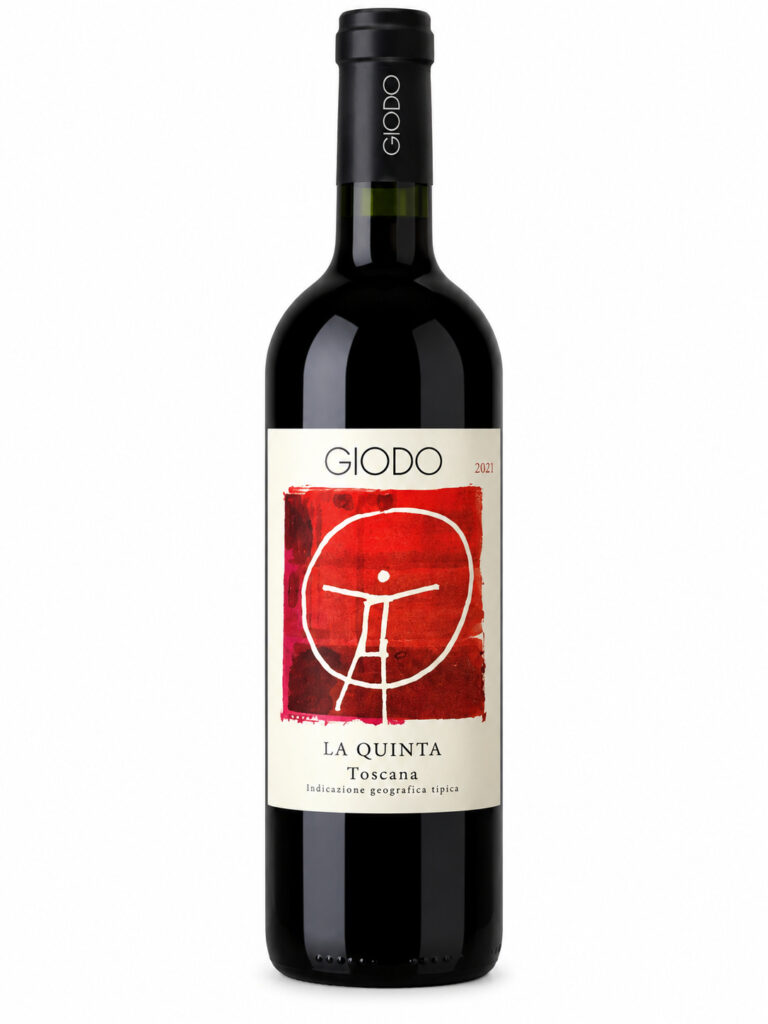
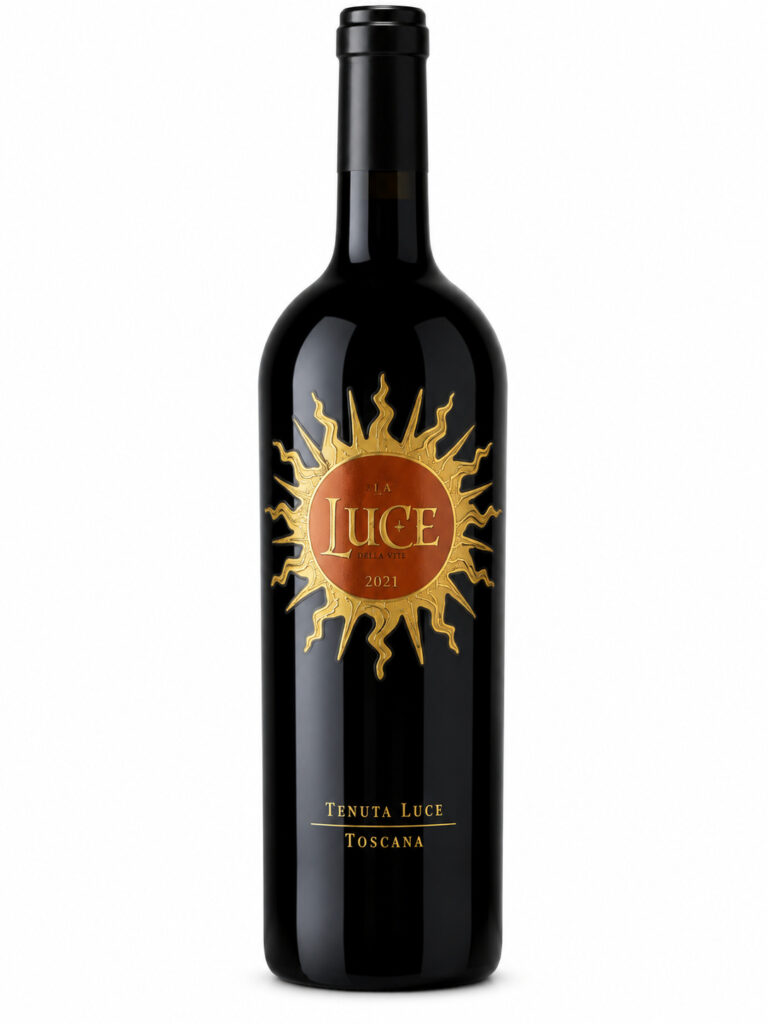
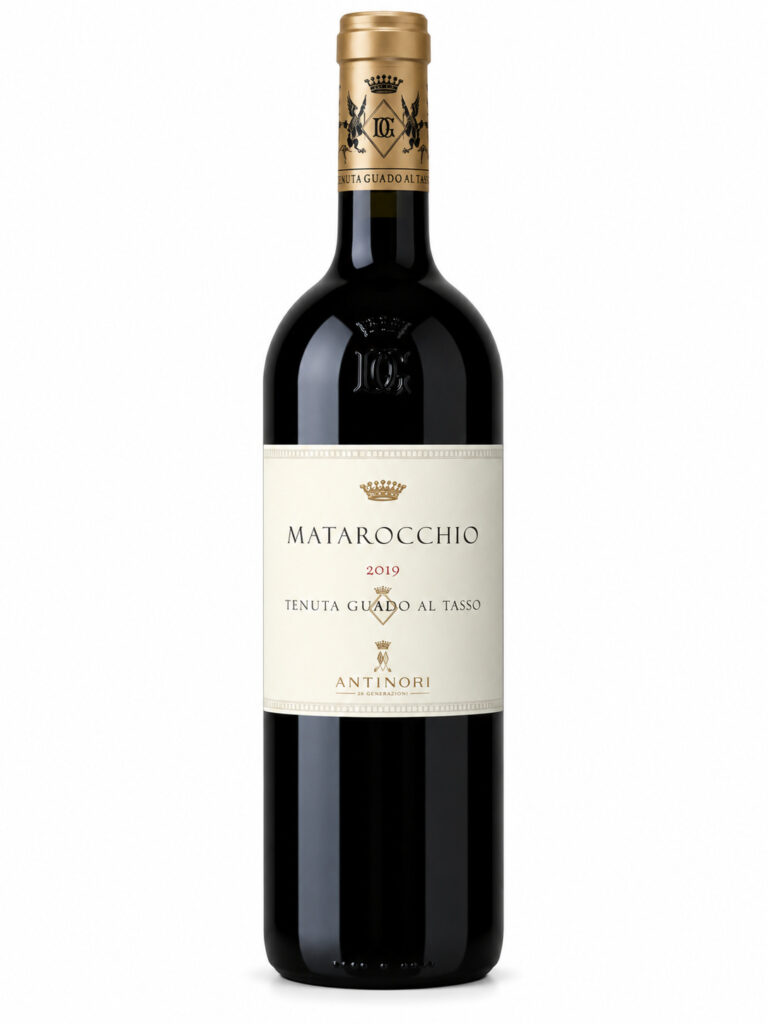
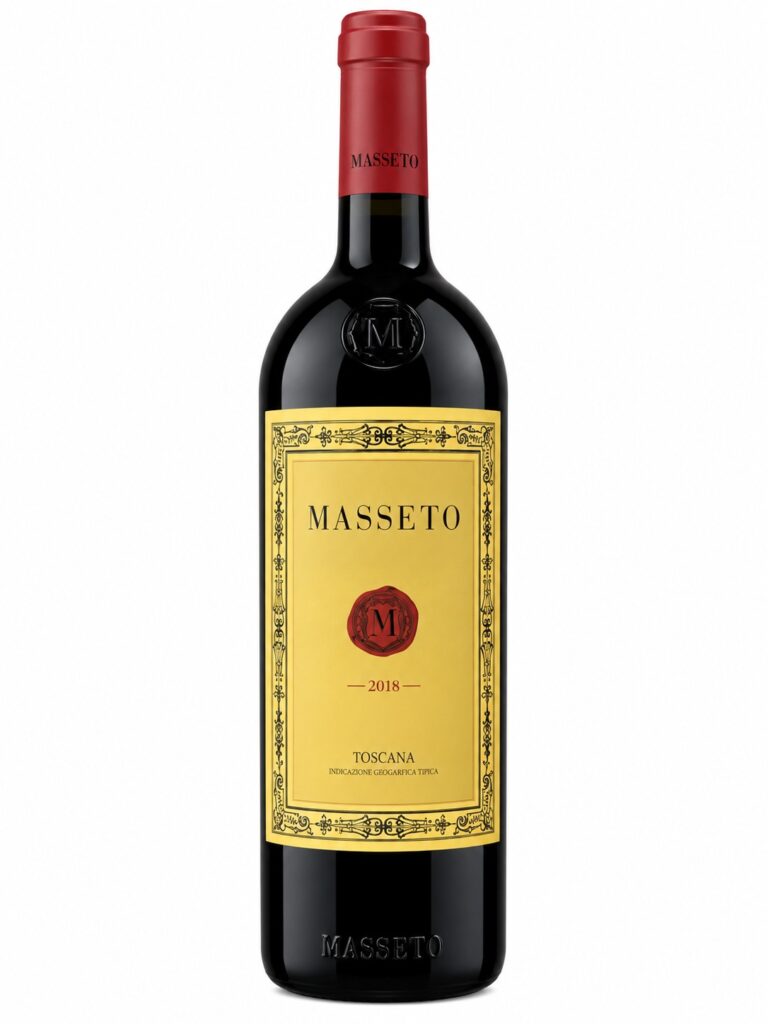
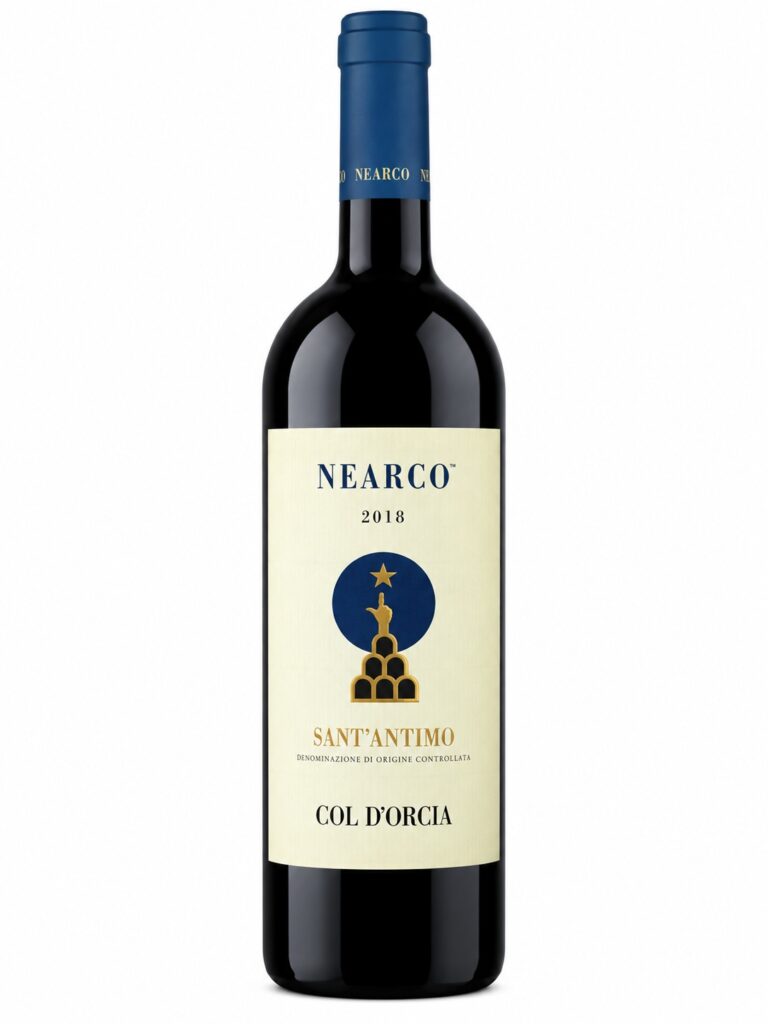
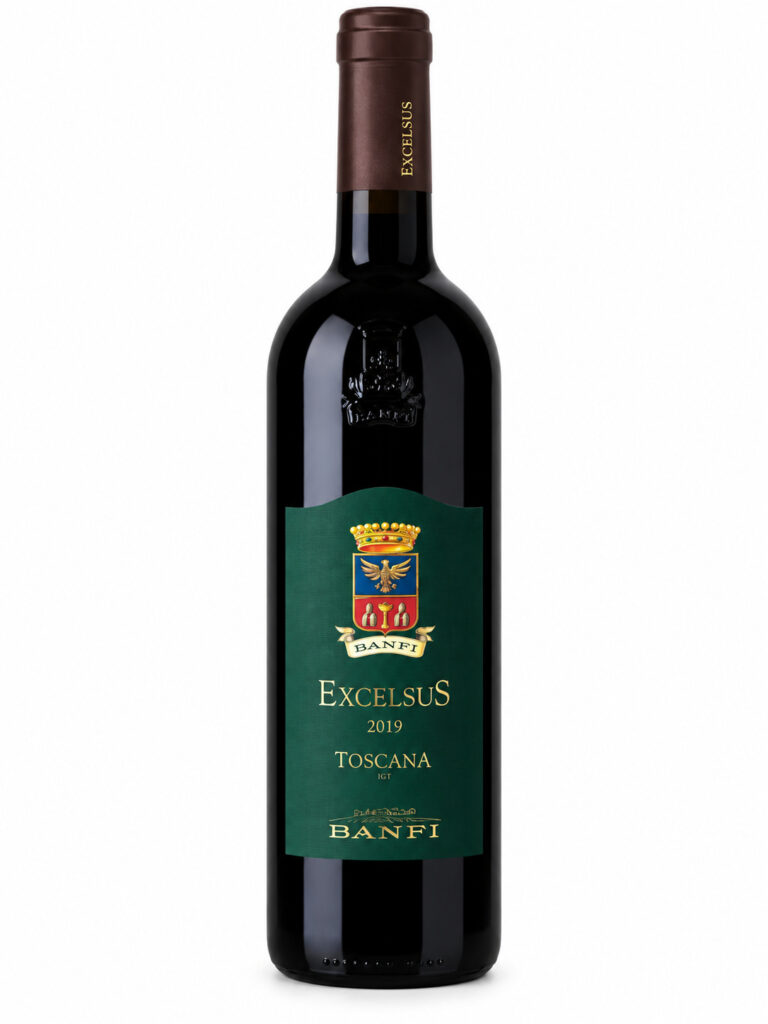
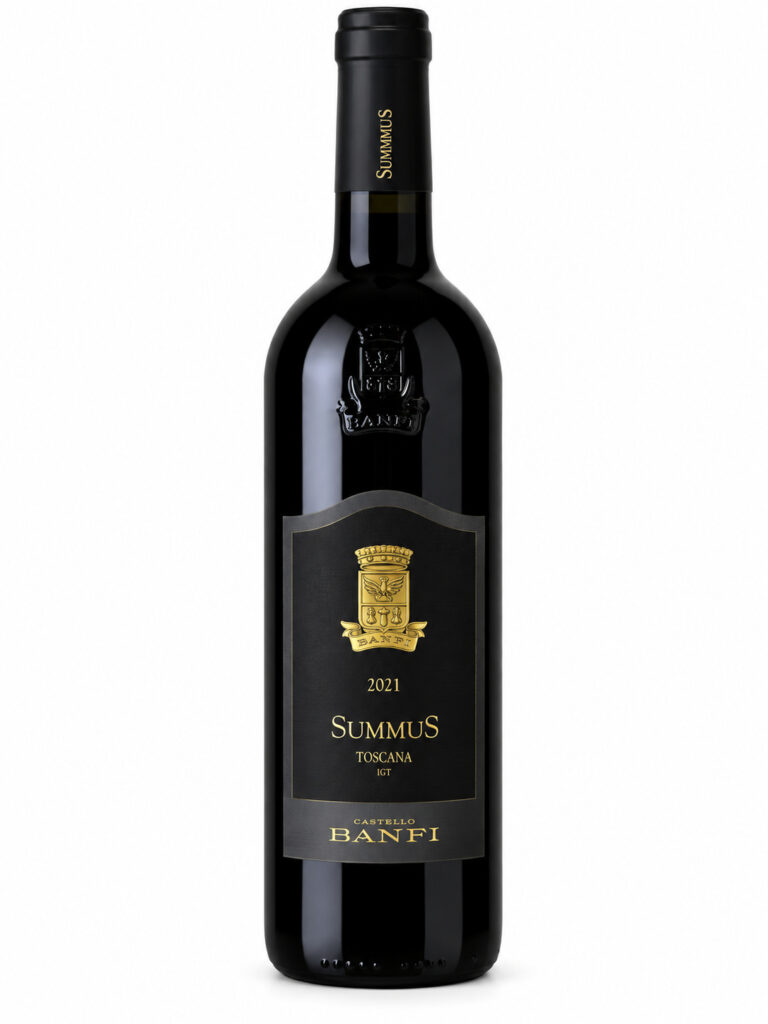
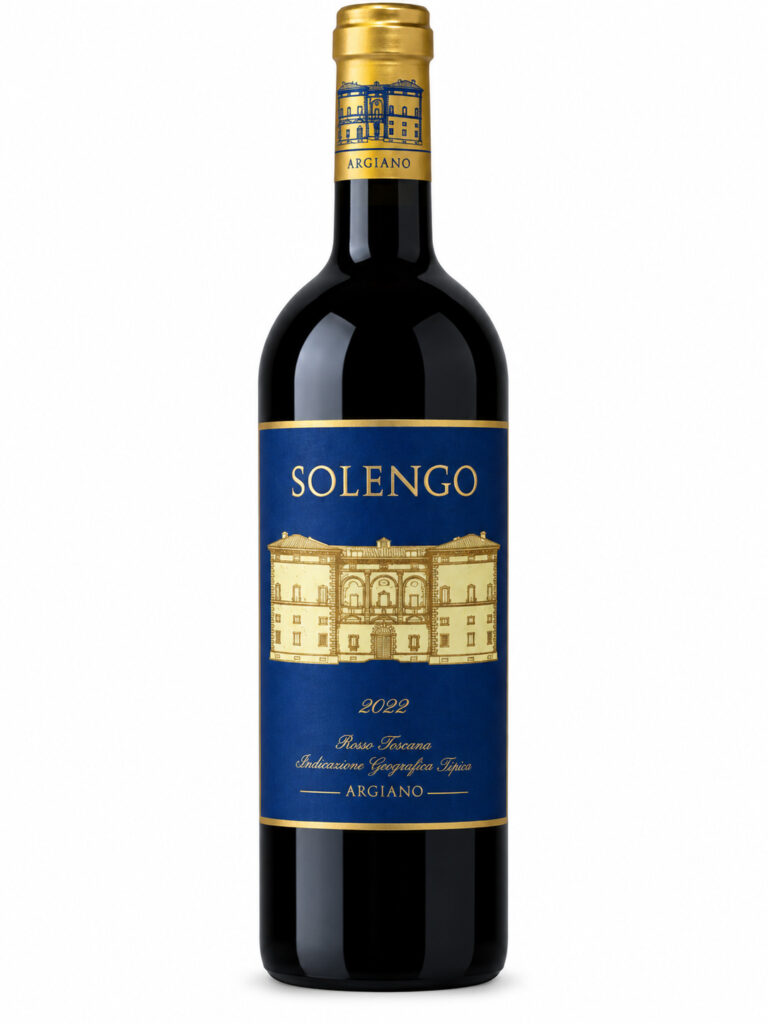
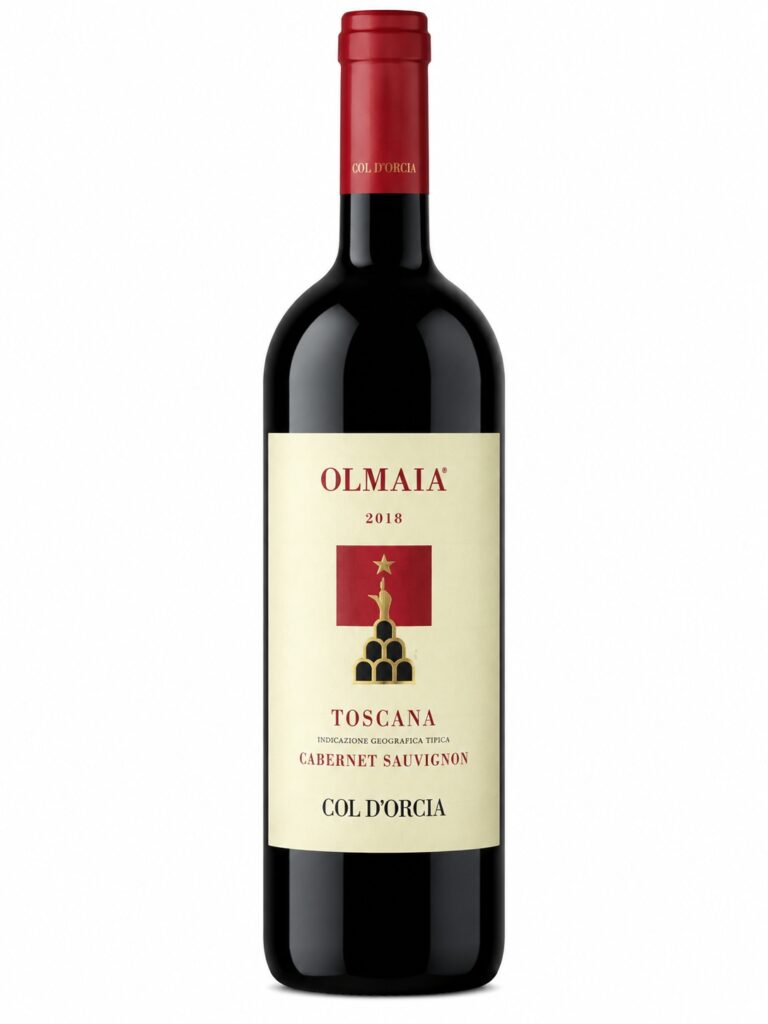


The first Super Tuscans to be produced in 1968 were Sassicaia in Bolgheri and Vigorello in San Felice in the Chianti area. The former was created by the Marchese Incisa della Rocchetta in the 1940s when she decided to cultivate French grape varieties (in this case, Cabernet Sauvignon and Cabernet Franc), starting to bottle them only in 1968 with the very simple table wine denomination on the label.
The latter was produced in the historical zone of Chianti Classico by the San Felice winery, but, unlike Chianti Classico which had to be produced with Sangiovese, Malvasia nera, Colorino, Malvasia bianca, and Trebbiano as per regulations, it was produced only with Sangiovese and, therefore, could not be given that name. Another famous wine that had a similar origin story was Tignanello. Produced for the first time in 1970 like Chianti Classico Riserva with Sangiovese, Canaiolo, Trebbiano and Malvasia grapes, the Antinori family and enologist Giacomo Tachis decided to only add Cabernet Sauvignon to the Sangiovese and to stop using the local varieties in 1975.
The ageing process also changed, going with oak barrels over French barriques.
Simply put, Super Tuscan is not a denomination. In fact, all wines that are produced in Tuscany that are not part of the big DOCG wines like Brunello di Montalcino, Chianti Classico, and Vino Nobile di Montepulciano can be called Super Tuscans thus making the production area the entire region of Tuscany. To date, the most important production areas for Super Tuscan wines are Montalcino, Montepulciano, Chianti Classico, and Bolgheri.
The Bolgheri area is the only one of the aforementioned areas that have regulations for production (DOC Bolgheri). The most important rule is that the wines are produced within the municipal area of Castagneto Carducci. Another important area for this type of wine is certainly the Maremma Toscana DOC, especially the area south of Grosseto, which is similar to Napa Valley in California in its climate and soil variety.
All grape varieties may be used, both those native to Tuscany and international varieties like Merlot, Cabernet Sauvignon, Cabernet Franc, Petit Verdot, etc.
In actual fact, in some zones Sangiovese is used over others as it adapts well to dry climates and to soil rich in rocks and limestone. In other areas, like Bolgheri where the vineyards are close to the sea, Sangiovese is produced and used very little as the warm climate is better suited for classic Bordeaux varieties.
Even the ageing does not follow a precise method and the only rule that I am happy to share with you, other than the fact that the wine must be produced in Tuscany, is that there are no rules. In fact, a “basic” Super Tuscan can spend only a brief amount of time in stainless steel and then put on the market the year after the harvest or it can age for a long time or not in barrels. Also, the type of barrels used is up to the producers while in some areas 225L French barriques are preferable.
Since there is no obligation to use any particular variety, Super Tuscans can be very soft and velvety or full-bodied, warm, and enveloping making the food wine pairing quite varied. It all depends on the complexity of the wine, the ageing period, and the variety. It ranges from classic soft wines which are easy to drink and that can be easily paired with pasta dishes, charcuterie, and cheese to more complex and full-bodied wines which would fare better with more complex slow-cooked dishes like pot roasts and stewed game. An excellent pairing would be with roast lamb, guinea fowl, or pheasant.
Super Tuscans should be stored horizontally in the dark at 16°-18°C.
From us, of course! We are a well-established wine shop located in the main square of Montalcino and have been in this field since 1988. Here you can find an incredible range of producers and vintages. If you are looking for something and you don’t see it on the website, just send us an email and we will try to accommodate your request.
€150.00
€325.00
€250.00
€390.00
€17.50
€44.00
€20.00
€22.00
€105.00
€34.00
€185.00
€105.00
€129.00
€60.00
€26.00
€34.00
€72.00
€155.00
€29.50
€28.00
€63.00
€29.00
€63.00
€299.00
€64.00
€1,000.00
€249.00
€70.00
€489.00
€62.00
€78.00
€149.00
€47.00
€125.00
€219.00
€50.00
€130.00
€350.00
€1,000.00
€19.00
€55.00
€52.00
€89.00
€43.00
We have selected the best bottles thanks to our experience. Browse through the different categories, filter by type, vintage or origin.
We have selected the best bottles thanks to our experience. Browse through the different categories, filter by type, vintage or origin.